Hybrid vs Full Electric: Best Choice for Australian Drivers in 2027
Explore the advantages of hybrid and full electric vehicles for Australian drivers as we approach 2027.
Introduction
As Australia gears up for a greener future, drivers face a pivotal choice between hybrid and full electric vehicles (EVs). With the Australian automotive landscape evolving rapidly, understanding the benefits and limitations of each option is crucial for making informed decisions by 2027.
Understanding Hybrids and Full Electric Vehicles
Hybrid vehicles combine a traditional internal combustion engine with an electric motor, providing the flexibility of petrol power and electric efficiency. On the other hand, full electric vehicles run solely on electricity, relying on batteries for power. In Australia, hybrids currently offer a practical solution for those hesitant to transition fully to electric, especially in regions where charging infrastructure is still developing.
Environmental Impact and Government Regulations
The Australian government is implementing stricter emissions regulations aimed at reducing carbon footprints. Full electric vehicles typically produce zero tailpipe emissions, making them more environmentally friendly than hybrids. However, hybrids still contribute to lower emissions compared to traditional vehicles. Understanding the Australian National Caravan and RV Parks (ANCAP) safety ratings is also essential, as both vehicle types are rated for safety performance, impacting consumer choices.
Cost Considerations and Fuel Prices
While the initial purchase price of full electric vehicles can be higher compared to hybrids, ongoing savings on fuel and maintenance can make them more economical in the long run. With fluctuating fuel prices in Australia, the cost-effectiveness of EVs becomes increasingly appealing. Additionally, government incentives for electric vehicles, such as rebates and tax reductions, further enhance their affordability for Australian drivers.
Charging Infrastructure and Convenience
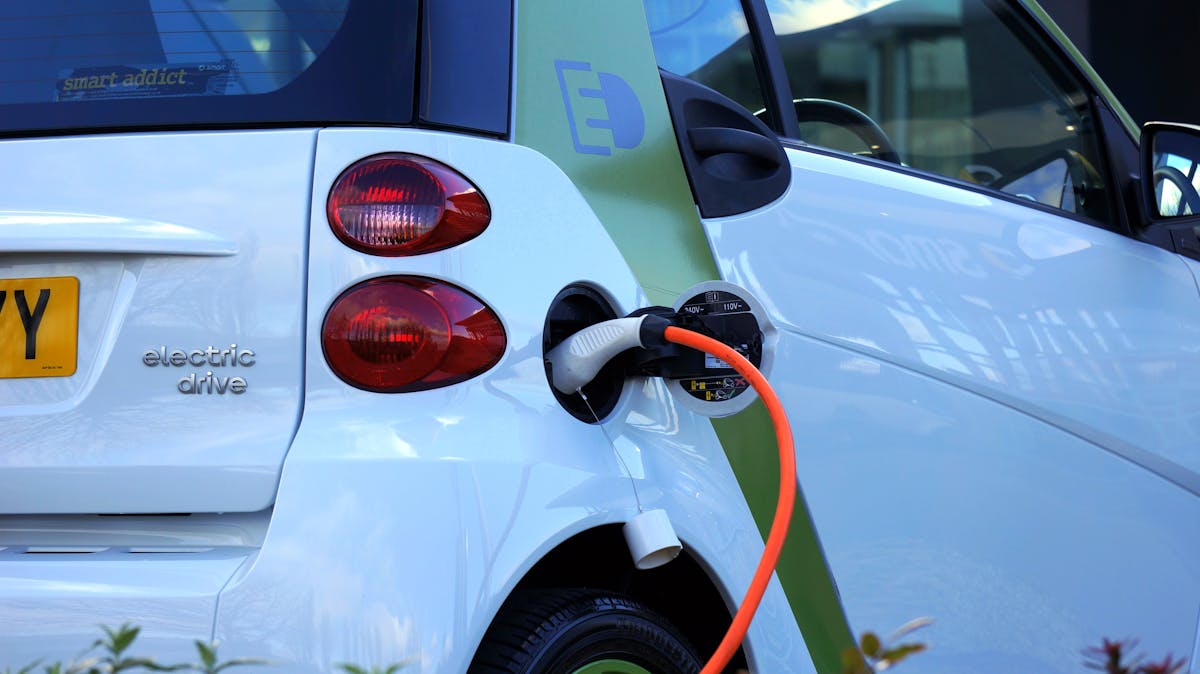
As of 2027, Australia's charging infrastructure is set to expand significantly, making full electric vehicles more convenient for everyday use. However, hybrid vehicles still hold an advantage in areas with limited charging stations. Drivers in rural regions may find hybrids to be a more viable option, while city dwellers might lean towards full electric due to better access to charging points.
Conclusion
Choosing between hybrid and full electric vehicles in Australia ultimately depends on individual needs and circumstances. For drivers who prioritize environmental impact and lower running costs, full electric vehicles are becoming increasingly viable. However, for those who require flexibility and are concerned about charging availability, hybrids remain a solid choice. As the automotive industry continues to evolve, staying informed about the latest advancements and regulations will be key for Australian drivers.
Disclaimer: This article is for general information purposes. Always consult a qualified mechanic for vehicle-specific advice.
Further Reading & Sources
This article is original content created by NexAutoHub, informed by the sources above. Always consult a qualified professional for advice specific to your vehicle.
Content Notice: AutoBrief articles are AI-generated or AI-assisted content produced by NexAutoHub for informational purposes only. Content may be informed by or extracted from third-party sources; all original intellectual property remains with the respective owners.
No Professional Advice: Nothing in AutoBrief constitutes professional mechanical, safety, legal, or financial advice. Always consult a qualified professional for advice specific to your vehicle or situation.
Accuracy: AI systems can make mistakes. Information may be outdated or incomplete. NexAutoHub does not guarantee the accuracy or completeness of any article. Readers should verify important information independently.
About AutoBrief
AutoBrief is NexAutoHub's automotive insights section — delivering expert advice, EV news, maintenance tips, and industry updates written specifically for Australian drivers.
Browse all articlesFind a trusted mechanic near you
Search verified mechanics, compare prices, and book instantly with NexAutoHub.
Find Mechanics Near Me